
As the months get colder and the nights become longer, many people start to notice a decline in their mood. Struggling to get up in the morning, having a lack of motivation and feeling generally down can all consume some individuals as we start to head into winter. You may be surprised to hear that experiencing these symptoms as we leave the warmth of summer is not a coincidence, but a very real disorder that affects around 2 million people in the UK. It’s called the ‘winter blues’ for a reason, if the dark, long nights are dampening your mood, then in this blog we answer what is seasonal depression and explore natural mood boosters you can implement to get you through the long winter months.
What Is Seasonal Affective Disorder?
Commonly referred to as the ‘winter blues’, the official name for this low mood is seasonal affective disorder (SAD) or seasonal depression. This condition is a type of depression that is linked to the season changes, most people who suffer from this will usually see symptoms begin in autumn and end in spring when the weather starts to get warmer. This mood disorder goes beyond the normal winter blues that many people experience due to colder weather and darker days. Individuals with SAD may find themselves grappling with persistent feelings of sadness, fatigue, and a lack of interest in activities they once enjoyed. The limited exposure to natural sunlight during these seasons is believed to disrupt the body’s internal clock and affect the production of neurotransmitters like serotonin and melatonin, which play crucial roles in regulating mood and sleep. Since the cold seasons last a long period of time, if you’re experiencing winter blues then it’s important that you get treatments to help improve your mood and help you feel like yourself again.
What Causes Seasonal Depression?
Although what causes seasonal depression is up for debate, research has shown that there is a strong connection between a lack of Vitamin D and seasonal affective disorder. This is because during winter, there is less sunlight available which affects the body’s ability to produce this essential vitamin from the sun. Vitamin D plays a crucial role in various bodily functions, including regulating mood and serotonin levels. Serotonin is a natural chemical in the body that is responsible for controlling your mood; when the body’s Vitamin D levels are low, this impacts the synthesis and function of serotonin, which can lead to seasonal depression symptoms. That’s why taking Vitamin D for seasonal depression during the winter months is crucial for those who are prone to the winter blues.

Seasonal Depression Symptoms
If you’ve been feeling like the cold weather has been getting you down, then you may be suffering from SAD. Here are some of the seasonal depression symptoms you should look out for:
- Depressed mood
- Difficulty sleeping
- Lack of energy
- Trouble concentrating
- Fatigue
Although it’s fairly common to have bad days, it’s important to note that if you feel down for days at a time or if you experience any serious symptoms associated with depression that you visit your doctor for professional help.
How To Treat Seasonal Depression?
If you’re experiencing any of the symptoms above and are looking for how to treat seasonal depression, then here are some natural mood boosters that can help you through the winter months.
- Mood boosting supplements
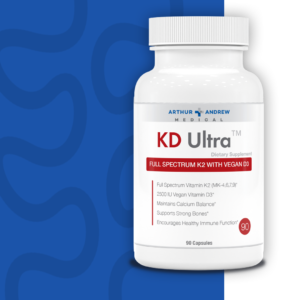
One natural way to feel better is by taking mood boosting supplements. Since one of the main causes of seasonal depression is a lack of Vitamin D, supplementing this vital vitamin can raise those levels in your body, leading to your serotonin levels being raised. One of the best mood boosting supplements you should take is KD Ultra sold on Advanced Supplements. Containing Vitamin D3, this encourages the body to produce larger quantities of Tyrosine, which plays a key role in the body creating the neurotransmitter dopamine. Therefore, by taking Vitamin D for seasonal depression, especially KD Ultra, this can help you feel like yourself again during the short, dark days of winter. Shop now below:
- Light therapy
Increasing your exposure to natural light is one of the effective seasonal affective disorder treatments. Since during winter the exposure to sunlight is limited, using a light therapy device or machine that mimics sunlight can not only help to regulate the body’s internal clock, but improve your mood. By having at least 30 minutes of exposure to bright light every day, especially in the morning, you will start seeing an improvement in how you feel.
- Exercise
Regular exercise has been shown to be one of the effective natural mood boosters, by increasing the production of endorphins. Taking part in physical activity everyday even if it’s just short daily walks, will enhance your overall well being.
- Spending Time Outdoors
Taking advantage of natural sunlight by spending time outdoors, particularly during daylight hours, will help you receive the limited sunlight exposure available. Even on overcast days, outdoor light is still beneficial.
- Balanced diet
Maintaining a healthy and balanced diet that’s rich in fruits and vegetables, can help to improve your mood during periods of seasonal depression. Some studies suggest that certain foods that are high in omega-3 fatty acids, can have mood-boosting effects. Introducing these foods, including fatty fish, can help you start to feel better.

- Sleep
Making sure that you’re getting enough sleep is crucial for regulating your mood. Since the lack of Vitamin D from the sun is limited during winter, this can negatively affect the body’s ability to produce adequate amounts of melatonin, which is responsible for regulating sleep. You can help to improve this by supplementing melatonin, establishing a consistent sleep routine and creating a sleep conductive environment. Getting proper rest is crucial for your mental health.
- Mindfulness
Taking part in mindfulness techniques such as meditation, deep breathing exercises and yoga have been shown to reduce stress and improve overall mental wellbeing. These techniques can be particularly beneficial when managing symptoms of seasonal depression.
Although these techniques are effective, they help you feel better, whether you use them together or on their own. If your symptoms don’t start to improve then it’s important that you seek professional help.