
Indigestion is a widespread digestive issue that affects a significant portion of the population, causing discomfort and disrupting daily routines. In fact, in the UK alone, around 40% of adults suffer from indigestion regularly. Whilst it may not be the most serious of medical conditions, it can be extremely uncomfortable for many, and in some cases is mistaken for the same sensation of a heart attack!
But how can we recognise when we are suffering from indigestion? And what are some of the lesser known natural home remedies for indigestion? Well, in this article, we will provide an in-depth examination of the causes of indigestion and present a selection of the most effective home remedies to alleviate its symptoms. Our goal is to deliver a clear and concise guide, free of complex medical terminology, that will aid readers in understanding, managing, and treating indigestion.
By analysing the relationship between lifestyle choices, dietary habits, and the proven efficacy of traditional remedies, we aim to equip our readers with the knowledge necessary to combat this bothersome digestive problem.
What Exactly Is Indigestion?
Indigestion, also known as dyspepsia, is a common digestive problem that is normally caused when stomach acid comes into contact with the delicate, protective lining of the digestive system, known as the mucosa. As the stomach acid proceeds to break down this lining, irritation and inflammation occur, which can result in discomfort and pain.
Characterised by symptoms such as bloating, heartburn, nausea, and a general sense of unease in the upper abdomen, indigestion can manifest in various ways. It is typically the result of the stomach struggling to break down and process food efficiently, leading to a disruption in the normal functioning of the digestive system. While indigestion is often a temporary inconvenience for most people, understanding its underlying causes and identifying effective treatments is essential for those seeking relief from the discomforts caused by the condition.
What Are The Common Causes Of Indigestion?

We’ve already mentioned that the actual cause of indigestion stems from when stomach acid reacts against the lining of the stomach, causing irritation. But what causes this to happen is what you need to know about indigestion. If those suffering from indigestion know what causes the flare up, then they know what puts them at higher or lower risks, allowing them to make judgements based on this. So, below we have listed out some of the most common causes for indigestion to flare up:
Overeating. Or eating too quickly: Consuming large quantities of food or not allowing sufficient time for proper chewing can put strain on the digestive system, leading to indigestion.
Spicy foods & foods high in fat: Rich, fatty, or spicy meals often contain more complex proteins that are difficult for our bodies to break down. This can slow down the digestive process, increasing the likelihood of indigestion.
Smoking: Smoking cigarettes weakens your esophageal sphincter, a muscular valve which prevents stomach acid out of your stomach, causing irritation. This is commonly referred to as acid reflux and is one of the major symptoms of indigestion.
Stress and anxiety: Scientists have long referred to the brain and gut connection and have determined in multiple studies that psychological factors can impact digestion. With stress and anxiety known to exacerbate indigestion symptoms.
Certain prescription medications: Some medications, such as non-steroidal anti-inflammatory drugs (NSAIDs), aspirin, and some antibiotics, can weaken the lining of the stomach and as such cause indigestion as a side effect.
Drinking too much alcohol or caffeine: Both alcohol and caffeine can irritate the stomach lining and relax the esophageal sphincter, contributing to acid reflux and indigestion.
Peptic ulcers: Sores in the lining of the stomach or duodenum may lead to indigestion, particularly when they are aggravated by the foods or medications that are mentioned above.
Gastritis: Inflammation of the stomach lining, often caused by a common bacterial infection known as Helicobacter pylori, will often cause a person to suffer from indigestion.
Which Digestive Enzymes Help Manage & Treat Indigestion?
Because indigestion is a condition caused by problems with the digestive system, primarily in the stomach, there are a number of different digestive enzyme supplements which can really make a positive impact in preventing symptoms and managing a healthier digestion of complex foods.
In fact, 4 of the clinically tested digestive enzyme blends we retail here at Advanced Supplements have properties and qualities which make them perfect natural remedies for acid reflux and indigestion. We’ve listed these 4 below, and given a brief explanation on how they help combat this uncomfortable ailment.
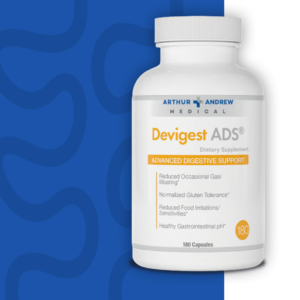
Devigest ADS – The Ultimate Digestive Enzyme Supplement Blend
Devigest can combat indigestion by improving the efficiency of the digestive process through its potent blend of digestive enzymes. These enzymes break down complex foods, allowing the body to better absorb nutrients and reduce digestive discomfort associated with indigestion.
One key ingredient in Devigest is Alpha Galactosidase, which breaks down complex carbohydrates found in gassy foods into simpler, more digestible sugars. This process prevents gas and bloating, common symptoms of indigestion, by ensuring that these carbohydrates are more easily absorbed and utilised by the body.
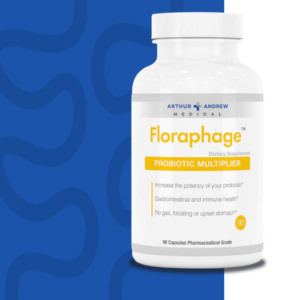
Floraphage – Prebiotic and Probiotic Capsules
Floraphage Prebiotic and Probiotic Capsules can help treat indigestion by restoring and maintaining a healthy balance of bacteria within the digestive system. Indigestion can sometimes be caused by an imbalance of gut bacteria, leading to digestive discomfort and a weakened immune system.
Floraphage combats this gut bacteria imbalance in two ways. Firstly, it helps promote the growth of helpful bacteria (typically those which help us break down food) decreasing the likelihood of slow digestion in the stomach, one of the leading causes of indigestion. Secondly, Floraphage then helps to target harmful gut bacteria, which can not only make us ill but in smaller quantities slow down digestion and cause indigestion to occur.
And, since Floraphage Prebiotic and Probiotic Capsules contain neither fibre nor sugar, they are unlikely to cause digestive distress while still providing super-prebiotic benefits, making them one of the most effective approaches for people who suffer from particularly aggressive indigestion.
FODMAP DPE – The Best Digestive Enzymes Supplement For Complex Foods
FODMAP DPE Supplements can help treat indigestion in individuals who experience digestive discomfort due to FODMAP sensitivity. These supplements contain specialised enzymes and spore-forming probiotics that work together to break down the sugars and fibres in high FODMAP foods into smaller, more easily digestible components. This reduces symptoms such as bloating, gas, abdominal pain, and diarrhoea associated with indigestion in FODMAP-sensitive individuals.
FODMAP DPE is particularly beneficial for vegans and vegetarians, who often consume more high FODMAP foods in their diet, and as such are more at risk of suffering from indigestion. This digestive enzyme supplement not only helps with digestion but also aids in unlocking essential nutrients found in fruits and vegetables, leading to a more optimal and balanced diet for vegans and vegetarians too!

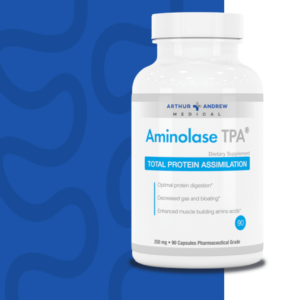
Aminolase TPA – The Ultimate Protease Supplement
Whilst a high protein diet is normally the choice of bodybuilders and athletes, many other people are turning to new so-called “revolutionary” weight loss diets like Keto, which too involve a higher level of protein and fat than other balanced diets.
Aminolase Protease Supplements can help treat indigestion by targeting issues related to high protein diets and the difficulty some individuals face in digesting proteins. Indigestion symptoms like bloating, nausea, and cramping can occur when large peptides from proteins are not properly broken down and absorbed. Aminolase is an enzyme that helps break down these large peptides into smaller components, making it easier for the body to digest and absorb protein.
What Are Some Of The Other Natural Remedies For Indigestion?
Though there are many over-the-counter medications for Indigestion, ranging from Omeprazole to Rennie – many people however (especially those who are already engaging in digestive enzyme therapy) are constantly on the lookout for more natural remedies for their ailments.
Several natural remedies and non-pharmaceutical medicines can – and have been proven to – provide effective relief from indigestion. Individual responses may vary, however we’ve put together a range of some of the best home remedies for indigestion.
Ginger: Ginger, a widely-used spice and medicinal herb, has been valued for centuries for its ability to treat digestive issues, including indigestion. The beneficial effects of ginger on digestion can be attributed to its anti-inflammatory properties. You can add fresh ginger to your main meals (where possible) or even consider having a cup of ginger tea alongside your meal to help combat the effects of your indigestion.
Fennel Seeds: These aromatic seeds have a long history of being used as a natural remedy for various digestive issues. Because fennel seeds contain compounds like anethole, fenchone, and estragole which all possess antispasmodic and carminative properties, they can help relax the muscles of the gastrointestinal tract and promote the release of trapped gas. As a result, fennel seeds can effectively reduce bloating and soothe the digestive system, reducing the risk of indigestion symptoms occurring.
Chamomile: Perhaps one of the most infamous herbal remedies, used to treat many things, from insomnia to certain skin conditions. known for its anti-inflammatory and antispasmodic properties, which make it an effective treatment for indigestion. These properties can be attributed to the presence of compounds like apigenin and bisabolol, which work together to alleviate inflammation in the gastrointestinal tract and relax the smooth muscles, reducing spasms and cramps within the digestive system.
Aloe Vera: It may seem as though Aloe Vera is the natural answer to almost every ailment these days, but its power in herbal medicine cannot be overstated. Like some of the previous home remedies for indigestion, aloe vera too holds soothing and anti-inflammatory properties. The gel from the aloe vera plant contains compounds such as polysaccharides, as well as various enzymes, and vitamins that work together to alleviate inflammation in the gastrointestinal tract and promote healing of the digestive lining. These allow aloe vera the unique quality of not only helping prevent indigestion, but to actually heal the damage it has done to the stomach lining.
What Are Some Of The Lifestyle Changes You Can Make To Combat Indigestion?

Earlier in this article, we mentioned some of the different causes of indigestion and things that can put a person more at risk of experiencing the incredibly uncomfortable symptoms which it presents. Many of these causes can be linked to lifestyle and dietary choices which have a detrimental impact on either the digestive system or the muscles that make large parts of it up, or in some cases both!
As such, there are many lifestyle changes a person can make in order to prevent the symptoms from presenting or at the very least decreasing how regularly they present themselves.
Firstly, eating smaller and more frequent meals throughout the day can prevent overloading of the digestive system and reduce the risk of indigestion. Because you’re allowing your body to process smaller amounts of food at a time, you can facilitate smoother digestion and minimise the discomfort caused by indigestion.
For the particularly nasty symptom of acid reflux you should try to make sure that you’re avoiding lying down for at least two to three hours after eating. This allows the body adequate time to digest food and reduces the risk of acid reflux which is far more likely when a person is not stood or sat upright.
Every doctor and medical professional will always attest to the health dangers of smoking, but when it comes to indigestion, this is one of the first things you should be cutting out if you want symptoms to subside. Quitting smoking is a significant lifestyle change that can greatly improve digestion and therefore reduce the occurrence of indigestion. As we mentioned much earlier on when we were discussing the causes of indigestion, smoking has been shown to weaken the lower esophageal sphincter and cause acid reflux.
Lastly, it is crucial to be mindful of your diet when aiming to reduce indigestion. Limiting the intake of fatty and spicy foods can help prevent or alleviate symptoms, as such foods can trigger or worsen indigestion. Opting for a balanced diet that includes lean proteins, whole grains, and plenty of fruits and vegetables can support healthy digestion and contribute to overall well-being.
The Relationship Of Lifestyle Choices, Digestive Enzymes & Other Natural Remedies In Combating Indigestion
The relationship between lifestyle choices, digestive enzymes, and other natural remedies in combating indigestion is complex and multifaceted. However, by taking the tri-channel approach of addressing changes to your lifestyle, supplementing with appropriate digestive enzymes and taking advantage of other natural remedies can often be the most effective way to keep your indigestion symptoms at bay.
Lifestyle choices play a crucial role in the development and management of indigestion. Making healthier dietary choices, such as avoiding trigger foods like fatty, spicy, or acidic meals, can help prevent indigestion symptoms. Eating smaller, more frequent meals and removing unhealthy vices like cigarettes can massively aid digestion and reduce indigestion risks.
Digestive enzymes are essential for breaking down food into smaller, more easily absorbed components. Insufficient enzyme production can lead to indigestion, as the body struggles to break down and absorb nutrients effectively. Supplementing with digestive enzymes like the ones we have focused on above in this article can help individuals with enzyme deficiencies or specific intolerances better digest their food and alleviate indigestion symptoms.
Natural remedies can also play a role in combating indigestion. For instance, herbal teas like aloe vera, ginger, and chamomile can help soothe the digestive system and alleviate indigestion symptoms. As well as this, certain seeds such as Fennel contain compounds which can help relax the muscles of the digestive system and prevent indigestion symptoms like bloating.
In conclusion, addressing lifestyle choices, supplementing with digestive enzymes, and using natural remedies can work synergistically to combat indigestion. By taking this three pronged holistic approach you can consider your own unique needs and circumstances, you can then effectively alleviate indigestion symptoms and promote a healthy, well-functioning digestive system. One which is rid of the plague of indigestion.