
For certain people consuming high FODMAP foods can be difficult to digest, leading to them experiencing discomfort every time they eat. FODMAP foods are a group of carbohydrates that can’t be absorbed efficiently in the small intestine and can ferment in the large intestine, this can lead to a wide range of digestive problems. These carbohydrates are found in many foods such as fruits, vegetables, grains, dairy and sweeteners, so it’s hard to avoid these when trying to implement a well balanced diet.
Following a FODMAP diet includes eliminating these foods that are difficult to digest, in order to help ease any of the problems that may be occurring. This can also be a useful way to see which foods your body doesn’t agree with, by eliminating some of these foods and seeing how your body reacts. If you think you may have trouble digesting these specific carbohydrates and think this way of eating is right for you, then you may be asking “what can you eat on a FODMAP diet?” Fortunately, we at Advanced Supplements have put together this blog on what is a FODMAP diet and how you can successfully follow it in order to gain all of the benefits it has.
Symptoms Of A FODMAP Intolerance
Some individuals who experience problems with digestion of FODMAPs may suffer from bloating, gas and abdominal pain when eating certain high FODMAP foods. Experiencing these uncomfortable symptoms can be extremely disruptive to your daily life. Some individuals can experience these symptoms after only consuming a small amount of high FODMAP foods. In some cases, people with this intolerance can also suffer from non-digestive related symptoms, such as headaches, fatigue and joint pain. However, not all digestive problems are caused by FODMAP intolerance, so if you’re experiencing digestive issues it’s important to seek medical advice and rule out any other conditions before pursuing a FODMAP diet in the hope that this will help deal with them.
What Can You Eat On A FODMAP Diet?
Following a low FODMAP diet plan involves eliminating certain healthy foods from your diet. However, there are still many foods that are safe for you to consume that contain vital vitamins and minerals your body needs. Foods that are safe to eat on a low FODMAP diet include meat, fish, eggs, nuts, seeds and rice as well as some berries and citrus fruits. Therefore, even though it can be difficult to follow a new diet plan especially when it involves eliminating healthy foods, you can still maintain a balanced diet when cutting out high FODMAP foods.

High FODMAP Foods
Whether you have a FODMAP intolerance or you want to improve your digestion, there are certain foods you need to stay clear of when following the FODMAP diet. Foods that contain significant amounts of fermentable carbohydrates such as, fructose, lactose, fructans etc, can be difficult to digest for some people. Some of these are apples, pears, onions, garlic, cauliflower, wheat and honey so it’s best to avoid these when following the diet. Even though it can be difficult to prevent all traces of highly fermentable foods in your diet, it’s not impossible. Being more conscious of what you’re eating and how it can affect your body is a great start to cutting these out of your daily intake.
Low FODMAP Foods
Low FODMAP foods contain little to no fermentable carbohydrates that can trigger the digestive symptoms in certain individuals. Some Low FODMAP foods are: quinoa, oats, chicken, fish and lactose-free milk. These foods are generally safe for most people, however it’s important to know that foods not containing FODMAPs don’t mean that the food is healthy or right for everyone. Consuming low FODMAP foods can be used as a short term method to identify which foods trigger the digestive system, so you don’t necessarily have to cut out all foods containing FODMAPs when following the diet.
Low FODMAP Fruits And Vegetables
As a lot of high FODMAP foods are fruits and vegetables, it’s hard for some people with a FODMAP intolerance to eliminate certain foods and maintain a well balanced diet. However, there are some fruits and vegetables that you can still consume that won’t trigger digestive problems. Bananas, blueberries, grapes, kiwi, oranges and strawberries are some examples of low FODMAP fruits that are generally safe to eat for those following a FODMAP diet.
Some of the vegetables include carrots, spinach, bell peppers, cucumber, tomatoes and zucchini. These low FODMAP fruits and vegetables are rich in vitamins, minerals and fibre, which supports your overall health. However it’s important that people following a FODMAP diet make the effort to try and squeeze in these fruits and vegetables as much as they can so they don’t miss out on any vital minerals that their body needs. As many high FODMAP foods are considered to be healthy, it’s important to make sure that you’re still consuming foods that won’t trigger your body to react negatively, but still contain essential vitamins to keep you healthy.

The Benefits of a FODMAP Diet For IBS
For individuals who suffer from IBS, they can see many improvements for their digestion when following a FODMAP diet. Research shows that following a low FODMAP diet plan reduces symptoms in up to 86% of people suffering from IBS. By reducing the consumption of high FODMAP foods, it allows the digestive system to be able to easily absorb these foods which will reduce symptoms of IBS. Although following a low FODMAP diet for IBS is not a long term solution, it can be used to manage the symptoms, making it easier to live with while a person seeks treatment and medication for the underlying causes of their IBS.
Taking A FODMAP Digestive Enzyme
If you’re thinking about or have started following a FODMAP diet, then you may benefit from taking a digestive enzyme to assist with the effectiveness of the diet so you will start to see the benefits more quickly. FODMAP digestive enzymes can also be useful so you don’t have to be as careful when eliminating certain foods. As when following a low FODMAP diet, it can be difficult to completely avoid exposure to these foods, especially when eating out at a restaurant. So taking a supplement to ease digestion can put your mind at ease when unintentionally consuming a high FODMAP food.
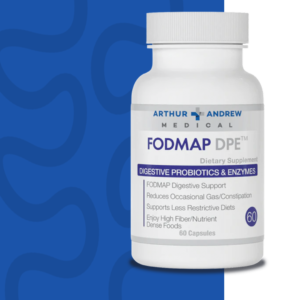
FODMAP DPE sold on Advanced Supplements is the perfect choice to help assist with any FODMAP intolerance, so you can better manage your symptoms and live with the intolerance.
Why Follow A Low FODMAP Diet Plan
If you’re experiencing uncomfortable digestive symptoms from a FODMAP intolerance, following a low FODMAP diet plan can have many health benefits. Even though it can be difficult to avoid these foods altogether, taking a supplement to help with the problematic symptoms can really ease the stress surrounding eating, so you can live more comfortably with this intolerance.