Whether you’ve been aware of your bodies’ sensitivities to high FODMAP foods for a while, or you’ve recently been told this by your doctor – navigating what is and isn’t okay to eat can be daunting and difficult! FODMAPs, or Fermentable Oligosaccharides, Disaccharides, Monosaccharides, and Polyols, are certain types of carbohydrates found in everyday foods. For some people, these can lead to uncomfortable digestive issues, and can contribute to the severity of chronic conditions like Irritable Bowel Syndrome (IBS) and Inflammatory Bowel Disease (IBD).
This article aims to provide a clear and trustworthy guide for those beginning their journey with a Low FODMAP diet. We’ll explore the science behind FODMAPs, distinguish between High and Low FODMAP foods, and provide practical meal ideas that cater to this specific dietary need.
Understanding FODMAPs
If you have recently been told to follow a low FODMAP food diet by your GP, then you may have already discussed with them what FODMAPs are and how they are problematic for your body. However, if this is something you’re not aware of, we’re going to cover it slightly here to help shine some light on what the deal is with FODMAPs and what they’re actually doing to cause such unpleasant symptoms.
What Are FODMAPs?
FODMAPs is an acronym that stands for Fermentable Oligosaccharides, Disaccharides, Monosaccharides, and Polyols. These are essentially just specific types of carbohydrates which are found naturally in a wide range of foods, including different fruits and vegetables, grains, and many dairy products. While they are part of many standard diets, for some individuals with a FODMAP intolerance, they can be difficult for the body to break down and can cause them to suffer from a range of uncomfortable digestive issues.
What Makes FODMAPs Problematic?
As we mentioned above, FODMAPs are known as fermentable carbohydrates – meaning they are broken down by bacteria in the large intestine. This specific process of digestion produces quite a lot of gas ,which then in turn bloating and abdominal cramping. However, when someone has a FODMAP intolerance or sensitivity, these effects become much more pronounced and can have a detrimental effect on their gut health.
The Four Types Of FODMAPs
FODMAPs themselves can be classified into one of the four following categories, each of which has its own unique characteristics:
Oligosaccharides: Include fructans and galacto-oligosaccharides, found in foods like wheat, rye, onions, and garlic.
Disaccharides: Mainly lactose, present in dairy products like milk and soft cheeses.
Monosaccharides: Fructose, found in many fruits such as apples and pears, and sweeteners like honey.
Polyols: Sugar alcohols like sorbitol and mannitol, often used in sugar-free products.
The Low FODMAP Diet
As the name suggests, a low FODMAP diet then focuses on limiting, or even completely avoiding, foods that are high in these fermentable carbohydrates. Typically, and because there are so many foods that contain FODMAPs, the low FODMAP diet is used as a temporary fix by medical professionals – in order to discover which foods are triggering people in each of their own respective diets.
As we explore the High and Low FODMAP foods in the following sections, you’ll gain a better understanding of how to implement this diet effectively.
In the world of dietary choices, knowledge is power. By understanding FODMAPs, their impact on digestion, and how they fit into a healthy eating plan, you can make informed decisions that support your unique nutritional needs.
Conditions That Can Mean You Need More Low FODMAP Foods

As you’ll soon discover, when we begin listing specific food items low in FODMAPs, having a diet low in FODMAPs is not something that many people would choose to do. More often than not it is a result of needing to adjust their diet in order to prevent flare ups of digestive conditions.
People who suffer from these gastrointestinal conditions will struggle to properly digest many different foods, and of course for reasons we’ve already explained, FODMAP foods can be amongst the most problematic. Now, whilst there are many conditions that can cause a person to need to adopt a diet that’s low in FODMAP foods – for the sake of keeping this article as concise as we can, we’ve covered the four most common below:
1. Irritable Bowel Syndrome (IBS)
What Is It?: IBS is a common disorder affecting the large intestine, leading to symptoms like cramping, abdominal pain, bloating, gas, diarrhoea, or constipation.
How a Low FODMAP Diet Helps: Research has shown that following a Low FODMAP diet can significantly reduce symptoms in a majority of people with IBS. By avoiding foods that trigger these symptoms, individuals often experience relief and improved quality of life.
2. Inflammatory Bowel Disease (IBD)
What Is It?: IBD includes chronic inflammatory conditions of the digestive tract, such as Crohn’s disease and ulcerative colitis.
How a Low FODMAP Diet Helps: While not a cure, a Low FODMAP diet can help manage and alleviate some of the symptoms of IBD, especially during flare-ups. It may complement other medical treatments and contribute to overall well being.
3. Small Intestinal Bacterial Overgrowth (SIBO)
What Is It?: SIBO occurs when there is an abnormal increase in the number of bacteria in the small intestine. It can lead to malabsorption and various digestive symptoms.
How a Low FODMAP Diet Helps: A Low FODMAP diet may help manage symptoms of SIBO by reducing the fermentable carbohydrates that bacteria feed on, thereby controlling bacterial growth.
4. Functional Dyspepsia
What Is It?: Functional dyspepsia is a chronic disorder of sensation and movement in the upper digestive tract, causing discomfort and indigestion.
How a Low FODMAP Diet Helps: Some individuals with functional dyspepsia find relief from symptoms by following a Low FODMAP diet, although more research is needed in this area.
As you can see, a diet that is rich in low FODMAP foods is much more than a wellness trend or a detox for your digestive tract, it’s a targeted approach for people to manage serious and often life-altering digestive conditions. Of course, as with most lifestyle changes, it’s not suitable for everyone but for those who suffer from the conditions outlined above – it can often be one of the first steps toward once again feeling a sense of normality.
High FODMAP Foods Which Should Be Avoided

Now for the part that will demonstrate just how many foods we eat in our everyday lives are classified as high in FODMAPs. We did warn you earlier that because of just how many foods there are in this list, a diet low in FODMAPs is not easy to achieve, nor is it a preference for many people.
Fruits High in FODMAPs
- Apples
- Pears
- Watermelon
- Mangoes
- Cherries
- Plums
Vegetables High in FODMAPs
- Onions
- Garlic
- Cauliflower
- Mushrooms
- Asparagus
- Leeks
Grains and Cereals High in FODMAPs
- Wheat
- Rye
- Barley
Dairy Products High in FODMAPs
- Milk (cow, goat, and sheep)
- Ice Cream
- Soft Cheeses (such as ricotta and cottage cheese)
Sweeteners High in FODMAPs
- Honey
- High-Fructose Corn Syrup
- Agave Nectar
Beverages High in FODMAPs
- Certain fruit juices
- Beer
- Fortified wines
Tips For Avoiding These High FODMAP Foods
Even though it might seem challenging to eliminate all traces of highly fermentable foods from your diet, there are a few key steps that you can take in order to cut them down. The first place to start is in the supermarket, when you’re stocking up for the week, take a careful look at the labels on all of the food you’re buying. Ingredients that might indicate high FODMAP content, like honey, inulin, or wheat, can be found on many packaged products, so vigilance in reading can really pay off.
Unfortunately also, for those having to stick to a diet low in FODMAP foods, the chances of being able to dine out at a local restaurant are pretty slim. Instead, you’re much more likely going to have to cook from home, as preparing meals from scratch gives you complete control over the ingredients; allowing you to avoid hidden FODMAPs and tailor your meals to your specific dietary needs.
Low FODMAP Foods To Include In Your Diet

Whilst the emphasis so far has certainly been put on the idea of restricting your intake in high FODMAP foods, you’re going to need to replace them with something. That means finding foods which are low in FODMAPs, and once you dive into this you’ll be able to see there are still some great foods and ingredients that you can keep!
Fruits Low in FODMAPs
- Bananas (unripe)
- Oranges
- Grapes
- Strawberries
- Kiwi
- Pineapple
Vegetables Low in FODMAPs
- Carrots
- Green beans
- Potatoes
- Tomatoes
- Zucchini
- Spinach
Grains and Cereals Low in FODMAPs
- Quinoa
- Rice
- Oats
- Cornflakes
- Gluten-free pasta
Protein Sources Low in FODMAPs
- Chicken
- Fish
- Eggs
- Tofu
- Lactose-free milk and cheese
Beverages Low in FODMAPs
- Water
- Herbal tea
- Coffee (without added high FODMAP sweeteners)
- Lactose-free milk
Balance & Variety Is Very Much Important
Incorporating Low FODMAP foods into your diet doesn’t mean restricting yourself to bland and uninteresting meals. As the list above demonstrates, there are plenty of foods that you can open yourself up to and by focusing on variety and balance, you can create delicious and nutritious dishes that suit your needs.
For example, try cooking quinoa with roasted vegetables and grilled chicken for a hearty and satisfying dinner. Breakfast can include oatmeal topped with strawberries and a splash of lactose-free milk. After all, it’s through these simple, nutritious and ultimately delicious meals that you can start to make the transition to a diet low in FODMAP foods a little less tedious.
Finally, just remember that low FODMAP foods are generally safe for most people, but it doesn’t mean that the food is suitable or healthy for everyone. A Low FODMAP diet should ideally be used as a short-term method to identify which foods trigger the digestive system, and it’s advisable to consult a healthcare provider to tailor the diet to your specific needs.
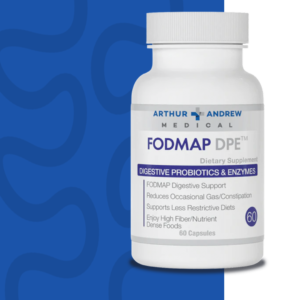
A Final Note: FODMAP DPE Enzyme Supplements
A diet low in FODMAP foods, as we’ve discussed, is neither enjoyable nor a suitable long-term solution. If you’ve not been able to identify the trigger foods and feel as though you’re never going to be able to go back to eating some of your favourite foods again, then this is where you can look at enzyme supplements like FODMAP DPE – sold here at Advanced Supplements.
FODMAP DPE contains specialised enzymes that break down FODMAPs into smaller, more easily digestible components. By doing so, it reduces common symptoms such as bloating, gas, abdominal pain, and diarrhoea.
Taking FODMAP DPE before or during a meal ensures that individuals with an intolerance can better digest foods containing FODMAPs. As a result, it enhances the overall effectiveness of a FODMAP diet, making adherence to the diet more manageable in the long term.