
With almost 80% of your body’s immune cells located in the gut, taking care of gut health should be one of your top concerns when it comes to avoiding illnesses. There is of course, no worse time to be fighting illness than over the Christmas period. With family visits, different parties and banquets fit for Henry VIII, being ill can mean you miss out on some of the most beloved festive traditions.
But how then, can we ensure we are promoting a stronger immune system and keeping our guts healthy over the festive period. With so many opportunities available for us to overindulge in foods which are bad for us, not to mention the beer and brandy we can all be tempted by – what are some of the best ways to keep our gut healthy over Christmas?
Well, here at Advanced Supplements, we know a thing or two about nutrition and promoting better health in all areas of the body. So, we’ve taken the time to put together this ultimate guide on just how you can keep your gut (and your immune system) in fighting shape this winter!
Take Probiotic & Prebiotic Supplements
Probiotic supplements are the first place to start when it comes to promoting gut health and keeping the levels of immune cells in your gut high. They are in some ways the ‘steroids of gut health’ as they help to keep the levels of healthy bacteria in your gut balanced. Something which the overindulging associated with Christmas can seriously damage!
There is a lot of complex science behind how taking probiotics can benefit your gut health overall, but we’ll try to keep things easy to read and understand here. Essentially, by increasing the rate at which our bodies produce natural bacteria known as ‘defensin’ (which is responsible for killing harmful bacteria and viruses) probiotic supplements help our guts fight off any illnesses that could otherwise take hold without an adequate level of defensin being present.
Prebiotic supplements work in almost exactly the same way when it comes to gut health. Prebiotics also improve the levels of healthy bacteria such as defensin in the gut. However the main major difference between probiotics and prebiotics is that while probiotics encourage the growth of healthy bacteria in the gut, prebiotics essentially contain the food that these bacteria can thrive on.
It is therefore advised that for really boosting your gut health over the festive period, taking both probiotic and prebiotic supplements. This way you can maximise the levels of helpful bacteria like defensin as well as provide them with the nutrients they need to thrive and keep you healthy.
VISIT OUR
Online Store
Manage Overindulgence With ‘Hara Hachi Bu’
A study has shown that the average person will take on around 5,373 calories on Christmas Day alone in the UK. To put that into context, the recommended daily allowance for a man is 2,500 and for a woman it is 2,000. We all love to pile extra trimmings onto our Christmas Dinner plates, and then keep the merry festive feasting going with more snacks long into the night. But overdoing it with the turkey and mince pies can give us many gut problems like bloating and indigestion.
Now, we don’t want to rain on anybody’s Christmas Day parade, so why not practise the ancient Japanese tradition of ‘hara hachi bu’ this festive season? Loosely translated to “eat until you feel 80% full” it allows you to then continue to indulge in festive treats until you feel 100% full.
Overeating can have a real detrimental effect on your gut health. Not just through bloating and indigestion, but it can also damage your digestive system as a whole. Because the digestive enzymes that our body uses to break down food are only created in limited amounts, if the amount of food needing to be digested outweighs the capacity we have for digestion, food will remain in our digestive system for longer and cause our digestive processes to be slowed.
This is the main way that our body fat can increase, as the longer it is stored in our body, the more chance that the food we ingest will be quickly converted into fat rather than being properly digested.
Avoid Too Many Highly Fermentable Foods
So, while ordinarily fermentable foods are actually beneficial to the gut, because we have a tendency to overdo it at Christmas, you should take care with the levels of these foods that you ingest.
Highly fermentable foods (known as FODMAPs) are things like wheat based produce, some dairy products, beans, lentils and vegetables like asparagus and garlic. These FODMAP foods can often trigger unwanted symptoms in people that have a sensitivity to them. For example, Irritable Bowel Syndrome (IBS) can often be exasperated dramatically by ingesting highly fermentable foods.
You can limit the number of these foods that you are intaking over the Christmas period, this way you will hopefully be able to avoid any nasty flare ups of IBS or other digestive conditions. To view a more comprehensive list of the kind of foods which are classified as FODMAPs, you can visit this page from John Hopkins Medicine.
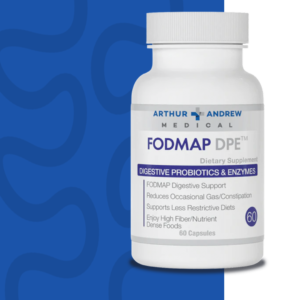
Another way to help ease the strain of FODMAP foods will be to look at specially designed digestive enzyme supplements that help our bodies to break down these foods. Whether you have a condition which needs to be managed or you are looking to make sure FODMAP overindulgence doesn’t ruin your Christmas, a product like FODMAP DPE could be the lifeline you need to get through the festive feasting!
Manage Your Alcohol Consumption To Prevent Gut Problems

Okay, this might be the most difficult one for many Britons to stick to. Let’s face it, far too many of us like to use Christmas as an excuse to drink a little bit more than we normally would or should. Whether it’s Beer, Gin, Whiskey, Brandy, or all of the above in some cases – taking the festive tipples to the extreme will have a knock on effect on our entire body, especially our gut.
Whilst we are all too aware of how bad a hangover can feel, it’s not just our heads that suffer from the after effects of a heavy night of Christmas partying. The natural and healthy bacteria in our gut (like defensin) can be completely thrown off by having to break down alcohol. This is what will often cause us to feel nauseous, bloated and afraid of what food might do to us when we’re hungover.
We’re not going to suggest that you avoid the booze altogether. Getting through a family Christmas can require a few drinks for some. Plus, Christmas is a time to be a bit more relaxed with our eating and drinking habits. But, the message here is that we can take a more moderated approach to how we consume alcohol during the festive season.
You could swap the pints for half pints, the doubles for singles, drink lower alcohol drinks than you normally would and make sure you hydrate with water or soft drinks between your Bucks Fizz and Mulled Wine. By being even a little more moderated, you can make a big difference to your gut health this Christmas.
Try & Manage Your Stress Levels

Christmas is commonly known as a time to relax. However, there are many reasons that our stress levels can climb during the festive period. From worrying about last minute Christmas gifts, to the chaos that ensues when trying to prepare the family Christmas dinner, there is certainly no lack of drama during the holidays.
Stress does actually have an incredibly adverse effect on our gut health. Therefore, trying to keep our stress levels low is incredibly important to promoting a healthy gut. Our brains and our gut are actually incredibly closely connected through a nerve known as the ‘vagus’. This connection is what leads to your emotion sometimes dictating how you feel in your gut. This may sound odd, but it does go some way to explaining age old sayings like ‘sick to the stomach’ which correlates anger or anguish to a bad feeling in your gut.
When we are experiencing stress, our body will often close off non-essential bodily activities in order to address the chemical imbalances in the brain which are caused by the stress. One such activity which is impacted by this reaction, is the balance of bacteria in the gut. As we have focused on a few times in this article, having good gut health means having a healthy balance of natural; bacteria there, protecting you from illness and disease. When stress causes this balance to tip in the wrong direction, it leaves us open and exposed to illness.
Try and find ways to manage your stress this Christmas. You could try to prepare as much of the Christmas dinner the day before, or you could make sure you’ve crossed everybody off your nice list well in advance of Christmas Eve. Whatever you choose to do, the ultimate goal should be to have as little stress put on yourself this festive period!
Eating Green Vegetables & Other Gut Healthy Foods You Can Easily Fit In Over Christmas
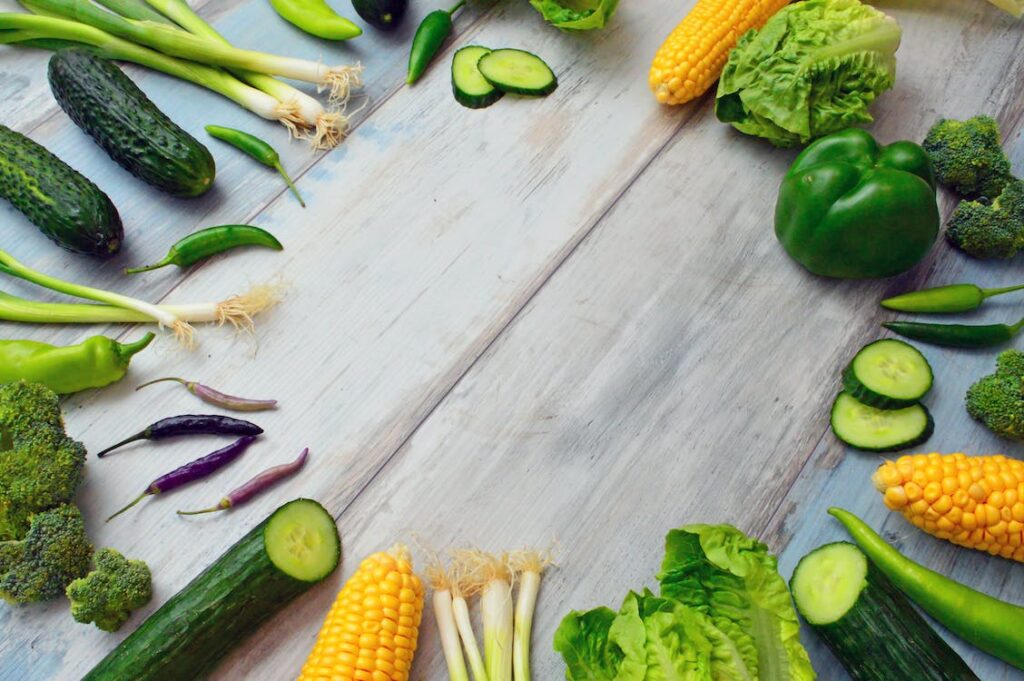
Okay, we don’t want to start a debate about whether or not Brussel Sprouts should be mandatory for a Christmas Dinner. But, whether it’s sprouts or other greens like spinach, kale or cabbage – eating your greens can have a number of benefits when it comes to gut health.
Green vegetables are packed with fibre and are excellent at supporting the bacteria in our digestive systems which keep us healthy. The sugars and fibres within green vegetables, like probiotics, help stimulate the growth of healthy gut bacterias like defensin which shield us from illness and infection.
However, it’s not just the increase in microbiota that green vegetables help with. They also share some of the properties of prebiotics. The carbohydrates contained within green vegetables are ideal fuel for these microbiota, meaning that they can flourish in your digestive system and ensure your immune system is kept as strong as possible.
There are also many other healthy gut foods which you could certainly fit into your Christmas feasting, here’s our pick of the top 10!
- Live Yoghurt (yoghurt drinks like Activia & Yakult contain more probiotics)
- Miso
- Sauerkraut
- Sourdough
- Almonds
- Bananas
- Garlic
- Roquefort Cheese
- Leeks
- Onions
Further Reading
Want to know more about the different supplements you can take for your health? Or which diet and lifestyle changes can have the most positive impact on your health? You can read through our blog here where we regularly talk about different supplements, diets, medical conditions and a whole range of other health related topics.
Alternatively, you can browse our range of different supplements here. Each of our products have an in-depth description of just how they work and some of the different ailments they can help treat!