If you are conscious about what you put in your body then you’ve probably heard of probiotics, but have you heard about prebiotics? Prebiotics are just as important to your gut health as probiotics and play an important role in your digestion. If you’re unfamiliar with prebiotics then you have probably been missing out on the health benefits that they provide. If you’re having trouble with your digestion and are looking to improve your gut health, you don’t just want to focus on probiotics. With the addition of prebiotics you will have the best chance of enhancing your gut health and improving your overall wellbeing.
There are many ways to increase your prebiotic intake, but the easiest way is through your diet. Did you know there are many prebiotic foods that you are probably consuming on a daily basis, and if not they’re easy to incorporate as prebiotics are found in many common fruits, vegetables and other foods that you can add to your diet. If you’re unsure about where to start then you’re in luck! In this blog we dive into different prebiotic foods, prebiotic supplements and how to improve your gut health.
What Are Prebiotics?
First, you may be wondering what prebiotics are. Prebiotics are essentially the ‘food’ for the ‘good’ bacteria found in the gut, as opposed to probiotics that are that bacteria. They cannot work without each other, so it’s essential that you consume both if you’re experiencing digestive trouble. Prebiotics are the non digestible compounds found within our food that feed bacteria in the gut, so without it, the good bacteria cannot thrive!
Benefits Of Prebiotics
One of the main reasons to start consuming prebiotics is the benefits they have on your gut health. From improving digestion to easing uncomfortable symptoms: such as bloating, gas and diarrhoea. However the benefits of prebiotics are far beyond being gut friendly. Not only does introducing prebiotics to your diet promote a smooth digestion, they also improve your immune system. They also have been shown to improve your mood and mental health. This is because the gut and the mind are closely linked, for example, when people feel anxious this often causes them to feel sick and vice versa. Chronic inflammation is linked to various mood disorders therefore, by reducing gut inflammation with prebiotics it can lead to an improvement in your mood.
What are the signs you need more prebiotics?
You may find you need to start introducing prebiotic foods into your diet if you are experiencing disruptions to your digestive health. Uncomfortable symptoms such as: gas, bloating or irregular bowel movements can be an indicator that you are lacking in prebiotics. There are other signs that your gut microbiome is out of balance; if you’ve recently taken antibiotics which depletes the ‘good’ gut bacteria, or if your diet is lacking in prebiotic foods. If you’ve noticed signals of a weakened immune system this could also suggest an imbalance in your gut bacteria, as a healthy microbiome plays a crucial role in healthy immune function. If you’ve noticed these signs that your body is lacking in prebiotics, then there are ways you can implement them whether that’s through supplementation or your diet.
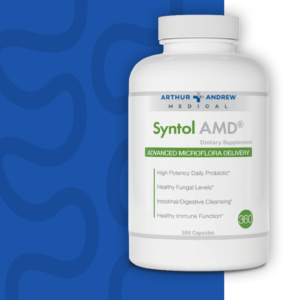
Syntol AMD
Sold on Advanced supplements, Syntol AMD is the best prebiotic and probiotic combination. Known for supporting your digestive and immune health, this supplement is a great option if you’re experiencing digestive discomfort. What sets Syntol AMD apart from other probiotic and prebiotic supplements on the market is that it contains the bacteria B. subtilis, which is known to be effective at reducing uncomfortable digestive symptoms such as gas, nausea, constipation and diarrhoea. By consuming Syntol you will be able to maintain a healthy balance of bacteria in the gut microbiome.
Buy now and see an improvement in your gut health!
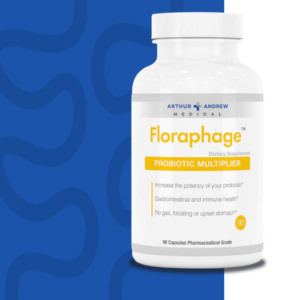
Floraphage
Another one of the best prebiotic and probiotic combinations is Floraphage, sold on Advanced Supplements. This works by targeting the ‘bad’ bacteria, breaking down their cell walls and releasing nutrients which allow the ‘good’ bacteria to thrive. By breaking down the harmful bacteria in the gut and promoting the growth of the beneficial bacteria, this promotes a healthy digestive function. As these capsules don’t contain fibre or sugar, this eliminates the risk of digestive stress.
Shop on Advanced Supplements today!
List Of Top Prebiotic-Rich Foods
If you’re looking to experience these amazing benefits of prebiotics, the easiest way to do this is by introducing prebiotic foods. There are a wide range of foods that support the beneficial bacteria in the gut, and by making the right dietary changes, you’ll start to see improvements in your gut health in no time! Here is a list of the best prebiotic foods.
- Chicory root
Found in a plant belonging to the dandelion family, chicory root is known for its numerous health benefits, including containing high concentrations of prebiotics. Around 68% of chicory root is made up of fibre inulin, which positively affects gut health by improving digestion, promoting healthy bowel function and relieving constipation.
- Mushrooms
As the majority of mushrooms that are safe to eat are rich in certain carbohydrates and contain prebiotics, adding this vegetable to your diet can help contribute to an improved digestive function.
- Onions
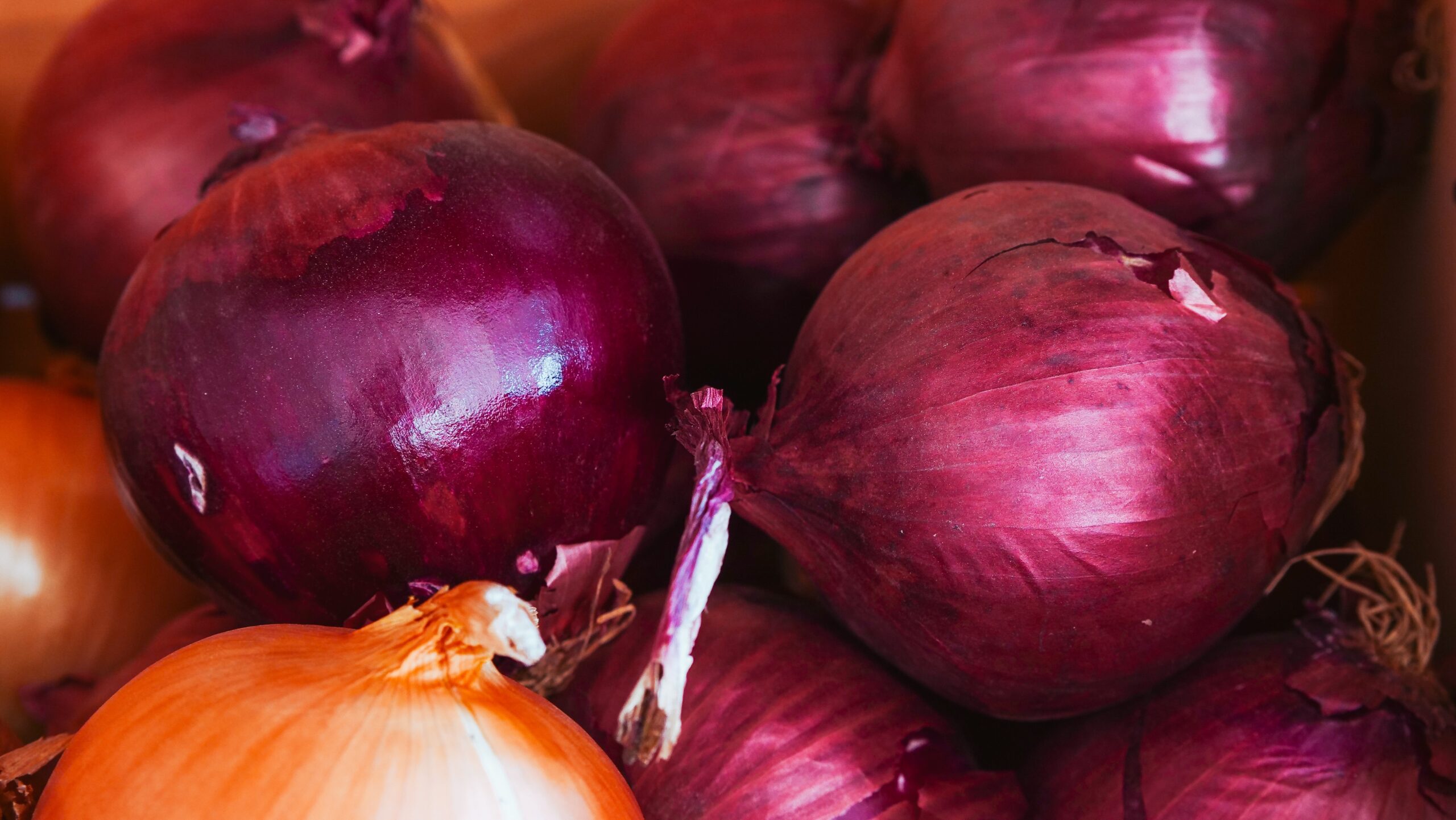
A common vegetable that is also rich in prebiotics, onions can be a great addition to your diet if you’re looking to improve gut health. Adding them to your diet will provide you with many benefits, as they contain antibiotic properties they can improve your cardiovascular health and boost your immune system.
- Garlic
A flavorful herb that can transform any dish, garlic is also a vegetable that is high in prebiotics. As prebiotics feed the crucial bacteria in the gut, consuming garlic promotes the growth of bifidobacteria which is known for preventing the growth of disease-promoting bacteria.
- Asparagus
One fantastic source of prebiotics is asparagus. As it contains inulin, a soluble fibre, it is effective at feeding the friendly bacteria in the gut, leading to improved digestive health. Asparagus has also been shown to help balance glucose and insulin levels, as well as alleviating inflammation.
- Seaweed
Surprisingly, seaweed is a fantastic source of prebiotic fibre. By introducing seaweed into your diet you will see benefits from consuming a variety of vitamins and minerals, and an improvement in your gut health. This is because seaweed contains polysaccharides which when consumed improves short chain fatty acid production, which will nourish the cells lining the gut.
- Leeks
Another excellent source of prebiotics are raw leeks, and are a valuable addition to your diet. They’re a rich source of inulin – the soluble fibre that works as a prebiotic. By providing a steady supply of inulin, leeks support the growth and activity of beneficial microbes, which aids in digestion.
- Dandelion greens
Dandelion greens contain lots of nutrients, and they’re known to encourage healthy bacteria to thrive in the gut. This is because they are high in inulin, which has been shown to promote a normal gut movement. One of the main benefits of this vegetable is that it’s effective in providing constipation relief.
- Jerusalem artichokes
Part of the sunflower family, the Jerusalem artichoke is another great prebiotic food that contains high levels of inulin fibre. Helping to increase the amount of ‘good’ bacteria in the colon, consuming the Jerusalem artichoke will improve digestive health and immune system.
- Jicama root
Another one of the best prebiotic foods for gut health, jicama root not only is shown to improve digestive health, but it also is low in calories. Therefore it’s an easy prebiotic food to substitute if you’re looking for a gut health boosting solution, without drastically changing your diet. Jicama root also helps to boost the immune system as it’s high in vitamin C, keeping you strong and healthy.
- Sauerkraut
A great source of both probiotics and prebiotics, sauerkraut is one of the best prebiotic foods for gut health. Not only does it assist the growth of the bacteria that populates the gut, it also helps to boost the immune system. While not all sauerkraut contains probiotics, all sauerkraut contains prebiotics, meaning it works best for feeding the healthy bacteria in the gut.
- Tomatoes
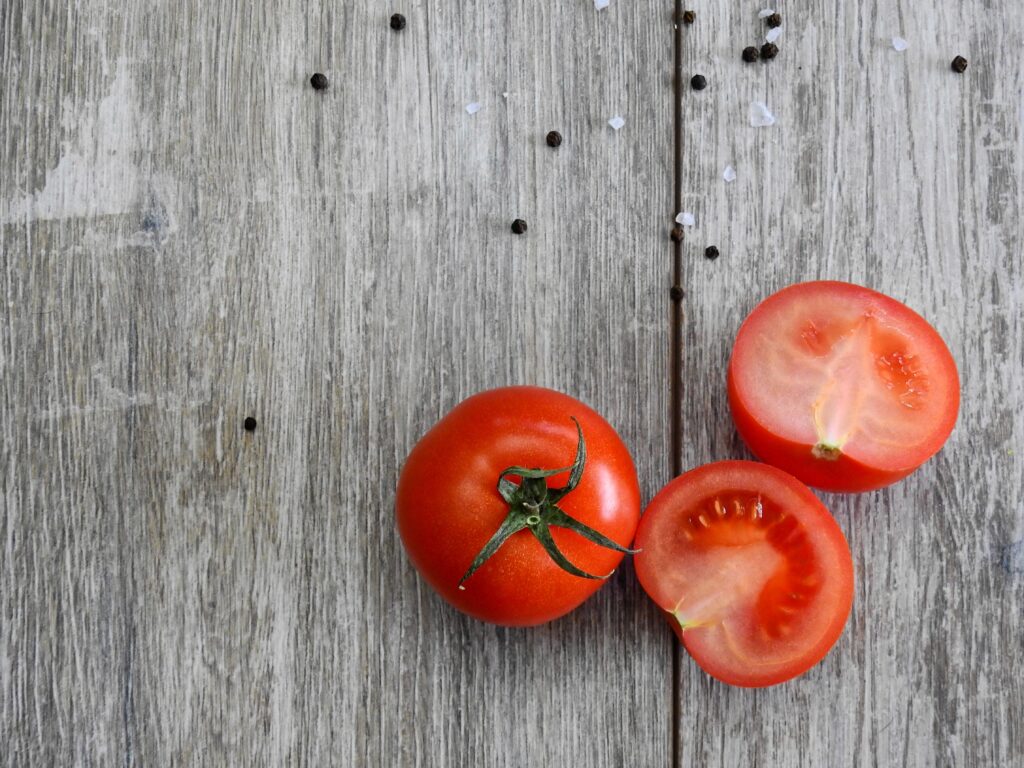
What makes tomatoes a great prebiotic food are the fructooligosaccharides (FOS) and Inulin they contain. These fibres are what makes tomatoes good for digestion, promoting the growth of beneficial gut microbes.
- Oats
Oats are a high prebiotic food, as well as super easy and convenient to make. Porridge has been a staple breakfast food for decades, and with the gut benefits it provides, there’s no reason not to include this in your meal plan. Including oatmeal will improve your mood, immune system and digestion.
- Cocoa
You may be wondering how chocolate can be healthy. But in fact dark chocolate in small quantities can provide many health benefits when introduced to your diet. Cocoa contains prebiotic fibres that feed the good bacteria in the gut. So adding this to your diet in moderation can lead to many benefits for your digestive health.
- Honey
Did you know that honey acts like a prebiotic when ingested? This is because it’s been shown to promote the growth of probiotic bacteria in the gut including bifidobacterium and lactobacillus. This is beneficial for relieving uncomfortable symptoms of constipation.
- Barley
The popular cereal grain barley is great for gut health as it contains the prebiotic fibre beta-glucan, which promotes the growth of friendly bacteria in the digestive tract. This fibre promotes healthy bacteria in the gut, it also has been shown to lower cholesterol levels and decrease the risk of developing heart disease.
- Wheat bran
This prebiotic food promotes an optimal gut environment; wheat bran is part of the grain family and is overflowing with insoluble fibre. As it travels through the digestive system, it plays an essential role in feeding the healthy bacteria making it one of the best foods for gut health.
- Chickpeas
For anyone looking to increase their prebiotic intake, chickpeas are one of the best foods for gut health. Not only does consuming more chickpeas make bowel movements more regular, but they can also help to lower cholesterol.
- Lentils
Not only are lentils known for being a rich source in protein, they also contain high amounts of prebiotic carbohydrates, which help support gut health. These legumes are rich in soluble fibres which support a normal functioning digestive system.
- Kidney beans
Just like other beans, kidney beans contain high concentration levels of prebiotic fibre. They contain soluble fibres, particularly resistant starches and oligosaccharides, that the human digestive system cannot fully break down in the small intestine. As these compounds reach the colon, they feed the beneficial gut bacteria.
What fruit has the most prebiotics?
Fruit is an important part of our diet, providing us with essential vitamins and minerals to keep us healthy. But did you know about the other benefits your 5 a day provide? Certain fruits contain prebiotics that are crucial for promoting a healthy gut. Therefore, if you’re looking to incorporate more foods into your diet that improve the digestive system then here’s a list of the best prebiotic fruits.
- Bananas
Specifically unripe bananas, this fruit is a viable source of potassium, it also provides gut enhancing prebiotics! The resistant starch found in unripe or green bananas feed the bacteria found in your gut, as opposed to being broken down in the intestine. These starches turn into sugars as the banana ripens, so if you’re looking for prebiotic fruits then it’s important to remember to eat them before they start turning yellow.
- Kiwi
If you’re a fan of this exotic fruit then you’ll be happy to know that kiwifruit is in fact a prebiotic. While being rich in dietary fibre from both soluble and insoluble fibres, which serves as a food source for beneficial gut bacteria.
- Blueberries
While blueberries don’t contain the amount of dietary fibres that directly promote the growth of healthy bacteria in the gut, they are generally considered a prebiotic food as they possess anti-inflammatory properties that can alter gut bacteria as well as reduce inflammation.
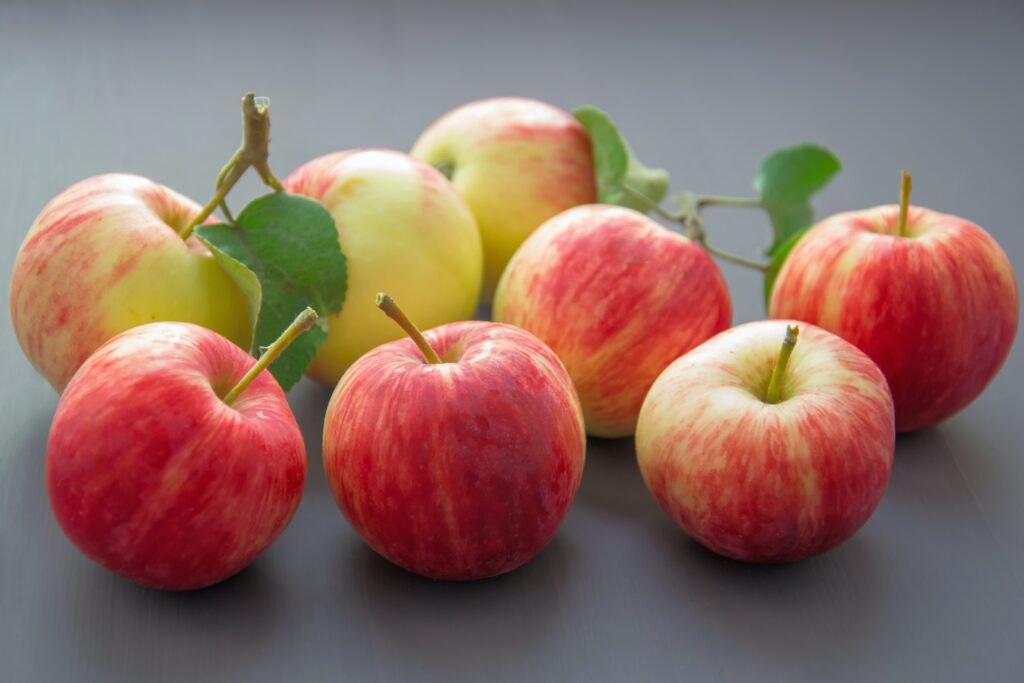
- Apples
An apple a day keeps the doctor away, but do you know about the digestive benefits they provide? Apples contain pectin, a soluble fibre which is recognised as a prebiotic. When you consume apples, the pectin ferments in the colon producing short-chain fatty acids, which nourishes the cells lining the colon, as well as reducing inflammation leading to a balanced gut microbiome.
- Watermelons
Another popular fruit which has positive effects on our gut health is watermelon. The dietary fibre it contains helps with bloating, digestion and inflammation. While watermelon is not as fibre dense as some other fruits and vegetables, adding it to your diet can contribute to a healthy gut microbiome.
Prebiotic Supplements
If your diet includes plenty of these prebiotic foods but you’re still facing digestive discomfort, it may be a sign that you need to start supplementing prebiotics. Advanced Supplements sell prebiotic and probiotic supplements that work to improve digestive health and ease symptoms linked to unbalanced gut microbiome. So, if you’re looking to experience the benefits of prebiotics, try our supplements today!