
Whether because of ageing, a skeletal condition or any number of different factors, we can often suffer from excessive bone and joint pain during the course of our lives. In fact, research has shown that almost one third of the UK population currently suffer from a musculoskeletal condition.
The treatment of such conditions will naturally vary depending on a patient’s age or their condition itself. However, many people look at the different supplements available to help alleviate their symptoms.
Other people will also look at these supplements as a preventative step to help keep their bones strong and joints functioning properly as they enter older age. Whether it is to stave off arthritis or to help them prevent a previous serious injury developing into a lasting condition through time – there are many ways in which joint pain supplements can be used as a precaution and not just a treatment.
Given that so far in 2022 the UK public has spent around £700 million on different vitamins, supplements and nutrients – with expected growth at around 5% per annum – it is clear that more people are turning to natural medicines to help deal with some medical conditions.
So what exactly are the best supplements for joint pain and also the best supplements for bones? Well, we’ve put together a guide to how different supplements can work to help keep our skeletons in top condition and a list of our 7 most recommended bone and joint supplements.
How Different Supplements Can Help Your Bones & Joints
Whilst one of the most commonly known beneficial nutrients for bone health is calcium. Medical studies as recent as this year have concluded that prebiotic and probiotic enzyme supplements can too have a great impact on skeletal health [1].
Some enzyme based supplements for joints work by helping cleanse blood and repair tissues that in turn protect against inflammatory diseases like arthritis. Others will work to regulate levels of key enzymes and/or hormones which affect bone and joint health. As we age, we can often suffer from bone and joint problems because of a lack of these enzymes and hormones [2]. By using bone and joint supplements that encourage the growth of these enzymes and hormones we can keep our body’s healthier for longer.
Other supplements will focus on increasing the level of certain vitamins in the body that are crucial to bone and joint support. Additional vitamins D,K,A and B are the most common joint support vitamin supplements.
These vitamins have a range of effects on promoting healthier bones and joints. Some will work to help fight off the symptoms of inflammatory diseases, others will increase bone density and many will also work to help improve the effects of conventional drug treatments for certain musculoskeletal conditions.
Our 7 Best Bone And Joint Supplements
As we’ve already discussed, there are many different supplements for bones, joints and skeletal health. All of which have different benefits and effects for our bodies. However, using our team’s research and existing knowledge, we’ve put together a list of our 7 best supplements for joint pain and all other bone problems.
Neprinol AFD Supplements For Joints
Taking Neprinol AFD enzyme supplements can have a great impact on protecting your bones and joints. The majority of Neprinol users will report a regular range of motion, comfort, and joint mobility.
Glucosamine and chondroitin-containing joint supplements are frequently used to promote these advantages since they temporarily increase joint comfort and mobility. However, over the course of natural ageing, these products serve only as partial solutions to the underlying causes. Healthy joint mobility and comfort become incredibly crucial as we age. Neprinol’s enhanced enzymatic efficacy helps the body’s natural healing mechanisms and reduces inflammation brought on by overexertion.

Serrétia Supplements For Joints
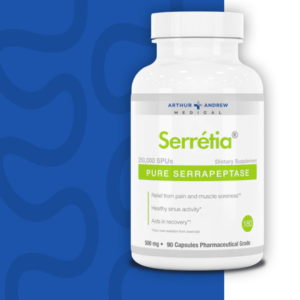
The main enzyme in the Serrétia blend is Serrapeptase. It’s this enzyme in particular that can work to help protect your bones and joints. By helping to relieve symptoms of other issues in the body, Serrétia can certainly be considered one of the best supplements for joint care.
Because of its innate capacity to digest certain proteins, Serrapeptase can effectively promote healthy sinus activity and a typical inflammatory response following exertion. The bacteria Serratia E-15 is used in a fermentation method to produce Serrapeptase.
Proféria Supplement Cream For Joints
This supplement is primarily a hormone supplement for women’s health. However, because hormone imbalances which develop with age can affect your bone density and joint functions, Proféria can help keep these hormones in check and as such keep your bones and joints healthier.
Important hormones like progesterone frequently decline with ageing. A reduction in bone density is one typical problem that affects many women, and this decline can cause a number of problems. A natural topical progesterone cream that supports hormone balance may assist the body in maintaining appropriate bone density.

KD Ultra Supplements For Joints
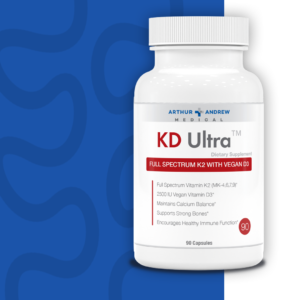
Whilst vitamins such as Vitamin D are mentioned too in this article. One of the other essential vitamins for bone health is Vitamin K2. KD Ultra enzyme supplements are great for bone health as they combine a specialist blend of these two essential bone health vitamins with other probiotic goodness. This helps our bodies to produce vital bone proteins that keep our skeletal systems in good shape.
One such protein is osteocalcin (OC), which is produced by specialised bone cells called osteoblasts during the production of new bone. For the preservation of bone health and density, healthy amounts of OC are required.
Vitamin D Supplements For Joints
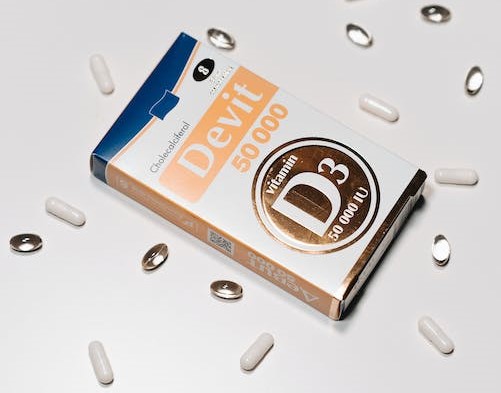
Supplementing with vitamin D has long been known to have a great effect on overall bone and joint health. Its qualities to help our immune system ward off inflammatory diseases alongside its qualities in helping our bodies produce vital bone proteins are why it has become one of the most common bone and joint supplements.
Vitamin D protects against osteomalacia and osteoporosis in adults. According to research [3], persons over 50 who are vitamin D deficient are more prone to have discomfort in their hip and knee joints. The report also mentioned that if the insufficiency isn’t corrected, the discomfort is more likely to worsen.
You can compare prices of different Vitamin D supplements on Google Shopping by clicking this link.
Magnesium Supplements For Joints
Magnesium is crucial for maintaining the health of bones, joints, and muscles, as well as for certain bodily functions including muscular contraction. This is how carrying a heavy bag or lifting weights at the gym causes our muscles to stretch and transform. Therefore, muscular cramps and spasms may develop if we don’t obtain enough magnesium. However, if magnesium insufficiency persists over a longer period of time, these issues may progress to muscular weakness and sluggish muscle coordination.
Inflammation is another repercussion of low magnesium levels. According to studies, children with the lowest amounts of magnesium also had the highest levels of the inflammatory marker CRP. However, you can alleviate these problems by increasing your magnesium intake.

Zinc Supplements For Joints
Taking Zinc supplements is one of the best ways that you can pre-emptively protect your bones and joints from inflammatory diseases like arthritis. Its qualities as a natural anti-inflammatory supplement also make it perfect for people suffering from arthritis to relieve some of their more painful symptoms.
Low zinc levels have been found to worsen the body’s inflammatory response, according to research. In 2015 research [4], it was shown that a deficit led to aberrant immune cell activation and the production of the inflammatory protein cytokine IL-6.
Therefore, it appears that in the absence of zinc, the cells that regulate inflammation become activated and behave differently, prompting the cells to encourage greater inflammation.
Additionally, recent studies have shown that zinc has anti-inflammatory properties. It acts by blocking the NF-B protein’s signalling as well as by altering T cell behaviours that might reduce the impact of cytokine-producing cells, which are linked to serious infections.

You can compare the prices of different Zinc supplements on Google Shopping by clicking this link.
Advice For Choosing The Right Bone And Joint Supplements
When it comes to choosing your supplement for bone and joint health there are a few things which should be taken into consideration.
Firstly, it will depend on whether or not you are taking these bone and joint supplements to treat a specific condition. If so, then there may be some supplements which will be better than others. For example, those with anti-inflammatory properties would naturally be better supplements for arthritis support.
Secondly, it is worth consulting your doctor on your choice of supplements. They may have some advice on which supplements will complement any conventional medication well, or they could be able to help you narrow down your options if you are unsure yourself.
Research, Studies & References
- de Sire, A., de Sire, R., Curci, C., Castiglione, F. and Wahli, W. (2022). Role of Dietary Supplements and Probiotics in Modulating Microbiota and Bone Health: The Gut-Bone Axis. Cells, 11(4), p.743. doi:10.3390/cells11040743.
- Seifert-Klauss, V. and Prior, J.C. (2010). Progesterone and Bone: Actions Promoting Bone Health in Women. Journal of Osteoporosis, 2010 (2010), pp.1–18. doi:10.4061/2010/845180.
- Laslett, L.L., Quinn, S., Burgess, J.R., Parameswaran, V., Winzenberg, T.M., Jones, G. and Ding, C. (2014). Moderate vitamin D deficiency is associated with changes in knee and hip pain in older adults: a 5-year longitudinal study. Annals of the Rheumatic Diseases, [online] 73(4), pp.697–703. doi:10.1136/annrheumdis-2012-202831.Wong, C.P., Rinaldi, N.A. and Ho, E. (2015). Zinc deficiency enhanced inflammatory response by increasing immune cell activation and inducing IL6 promoter demethylation. Molecular Nutrition & Food Research, 59(5), pp.991–999. doi:10.1002/mnfr.201400761.
- Wong, C.P., Rinaldi, N.A. and Ho, E. (2015). Zinc deficiency enhanced inflammatory response by increasing immune cell activation and inducing IL6 promoter demethylation. Molecular Nutrition & Food Research, 59(5), pp.991–999. doi:10.1002/mnfr.201400761.