
Almost 500 people in the UK die from a form of cardiovascular disease every day. Many of these deaths will be from the 7.6 million Britons who suffer from heart and circulatory diseases.
Heart disease can develop at any point in a person’s life. Some may be present from birth, whilst a range of factors such as diet and smoker status could increase our risk of developing heart disease in later life. Because of the risks posed by heart disease, it is vitally important that we take proactive steps to ensure we protect our heart and cardiovascular system.
Some of these steps we can take by just making minor adjustments to our daily lives. However, some of us will want to take extra precautions when it comes to our cardiovascular health – especially if someone already has a heart/cardiovascular condition or a history of hereditary heart disease in their family.
One such step that many people will turn to is which dietary, probiotic or vitamin supplements can benefit the heart? There are many different so-called ‘heart supplements’ all which have their own blends of specific nutrients and other important biochemicals that help our hearts stay healthier for longer.
In this article, we’re going to take a real in-depth look into exactly how different supplements for heart health work, what makes them so important for people that are at risk of heart disease, and finally we’re going to give you our top ten cardiovascular supplements.
How Different Vitamins For Heart Health Work
Different vitamin supplements are constantly being marketed as boosters for different parts of our bodies. When it comes to heart health, there is no exception to this rule. Whilst the scientific community is still awaiting larger scale clinical trials on the effects of different vitamins on our cardiovascular systems – there have been promising signs that certain vitamins can help protect our hearts from damage.
One such vitamin that has been found to be effective in boosting our cardiovascular system is vitamin D. Whilst commonly referred to as a vitamin which is beneficial for the immune system, there has been a lot of different research carried out to support its importance as a supplement for cardiovascular health.
This actually stems from research which found how Hypovitaminosis D (a deficiency of vitamin D) is a known contributing factor to cardiovascular events, such as Angina or Heart Attacks.
For those who struggle to intake enough vitamin D, perhaps through not getting enough sunlight or by having impaired vitamin D activation in their bodies, supplementing additional vitamin D can be just one of the ways they can ensure they are taking in enough vitamins for the heart.
How The Best Supplements For Heart Health Work
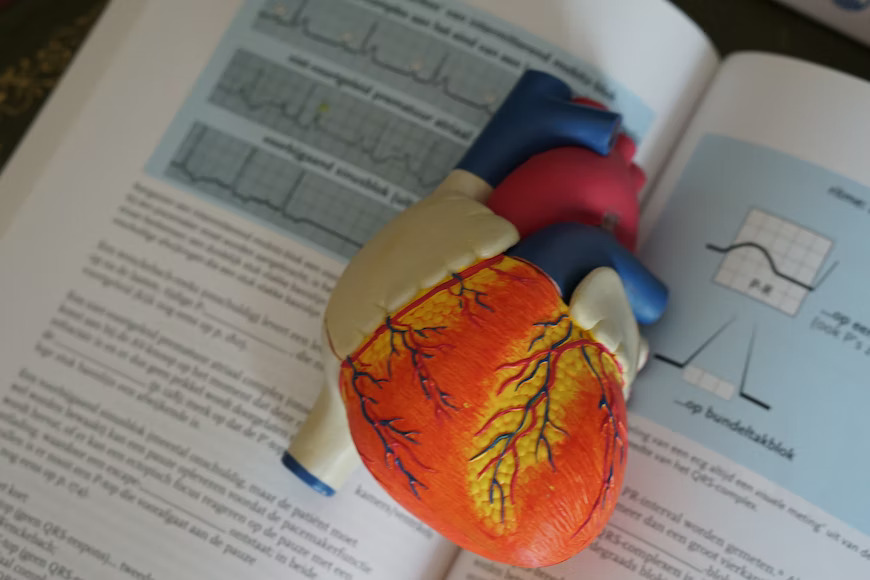
Aside from additional vitamins, a blend of different vitamins, nutrients and enzymes in one formulated supplement can often be the best way to add an additional boost to our cardiovascular health. By helping reduce risks in a number of ways, blended supplements can have a great effect on our heart health. Some will help eliminate calcium buildup in our blood vessels, in turn regulating a healthier blood flow to and from our hearts. Others will work on helping to lower cholesterol – one of the leading causes of heart disease in the UK.
Some natural supplements, such as magnesium, can greatly decrease our risk of a serious cardiovascular event occurring. At a biochemical and cellular level, magnesium plays a variety of roles in the aetiology of cardiovascular disorders.
The Na+-K+ pump uses adenosine triphosphatase (ATPase), which is activated by magnesium and is necessary for cell membrane function. It has been demonstrated that magnesium insufficiency causes the Na+-K+ pump to function less efficiently, which raises intracellular sodium levels, leading to an increased potential of heart arrhythmias developing.
By ensuring we monitor our magnesium levels, we can help ensure we have 24 grams present within our bodies (the recommended amount for an adult body). If it is a case that we are becoming magnesium deficient, then to protect our cardiovascular system – we can use magnesium based supplements in order to maintain a healthy balance of magnesium in our blood.
Other supplement blends work in a kind of opposite way to the one described above. Whilst magnesium can help sustain a level of something vital, other supplements can help remove impurities from our blood that can cause heart disease instead.
One such impurity is calcium. The buildup of calcium in our blood vessels can act as a form of polyfiller to our cardiovascular system, restricting blood flow. This process is commonly referred to as calcification of blood vessels and has been noted as a leading cause of heart attacks.
One of the best ways to then reduce any excess calcium that has begun to take hold of our blood vessels is to use a supplement blend high in vitamin K2. This is because the level of vitamin K2’s specific menaquinones (MKs) will be naturally higher in a refined supplement blend. These menaquinones have a crucial role in helping dissolve, break up and remove calcium buildup from our blood vessel walls.
By utilising supplements that have high levels of these menaquinones present, it can greatly decrease our risk of heart disease or artery problems. Having clean and healthy blood vessels allows for blood to pass through our cardiovascular system without obstruction or higher pressure – and all of this means there will be much less strain on our hearts to keep vital organs stocked with fresh, oxygen-rich blood.
How Different Supplements Can Help To Manage Angina
Angina is a common heart condition affecting around 22% of men and women in the UK. The symptoms include a tightness or squeezing sensation in the chest and can be serious if not managed correctly, leading to further complications or even a heart attack.
Angina is caused by a lack of proper blood flow and oxygen to the heart, putting it under unnecessary strain and causing it to not function properly. Symptoms of angina can come and go for those suffering from it and can often be present during times of emotional stress or during physical activity.
There are three different types of angina; stable angina, unstable angina and prinzmetal angina. Stable and unstable angina are by far the most common forms of angina, with unstable angina being the most serious. Prinzmetal angina is far less common as it is caused not by a buildup of plaque in arteries but by spasms in the coronary arteries being the driving force for restricted blood flow.
Certain supplement blends, such as Neprinol, have qualities that can help people suffering from stable and unstable angina manage their condition effectively. One of the causes of the restriction of blood and oxygen to the heart which develops into angina, is an increase of fibrin in the blood.
Fibrin is ordinarily broken down in the blood by the natural enzyme plasmin when we develop a fibrin dominancy – we naturally need additional plasmin to break it down. However, our bodies can struggle to create additional plasmin and then as fibrin takes hold in our arteries, the symptoms of angina can worsen as blood flow to the heart is restricted further and further.
Neprinol works to fight fibrin and manage angina symptoms through decreasing the levels of fibrin in the coronary arteries. How? Well, nattokinase, serrapeptase, bromelain, and papain enzymes that make up Neprinol promote the breakdown of fibrin and the production of plasmin simultaneously, helping to improve blood flow.
What Are The 10 Best Supplements For Heart & Cardiovascular Health?

So now we’ve covered exactly how different vitamins and supplement types can work to benefit our cardiovascular systems. Which supplements are the most effective for promoting a healthy heart? Below you’ll find our researched and analysed top ten supplements for heart health along with a little information on how they work and what they are best at helping with.
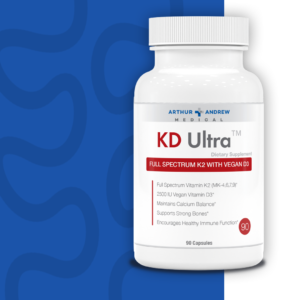
1. KD Ultra Dietary Supplement
We’ve mentioned above how important both vitamin D and vitamin K are to promoting better cardiovascular health. With KD Ultra’s blend of both of these vitamins accompanied by additional lipase enzymes to break down fats. This enzyme blend helps fight calcification, wards off the risk of cardiovascular events and lowers cholesterol simultaneously.
That’s why at Advanced Supplements, we consider this enzyme supplement to be the most beneficial to supporting good heart health.
2. Nattovéna Pure Nattokinase Supplement
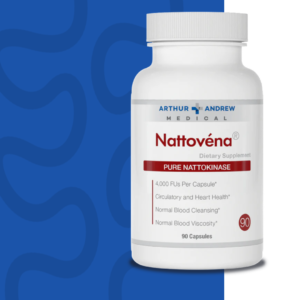
In the section above, where we discussed the role that fibrin plays in the development of angina and how plasmin was needed to help remove excess fibrin from our arteries.
Well, another way that we can help combat the excess development of fibrin is through the enzyme Nattokinase. This enzyme (similar to plasmin) has fibrin dissolving properties and can be just as effective as other supplements like Neprinol in helping not only manage angina, but also to help keep our cardiovascular system at 100%.
3. Neprinol Advanced Fibrin Defence (AFD) Supplement
We have already spoken about the effect that Neprinol AFD can have on managing angina, a common heart condition in adults. Neprinol helps combat the dominance of fibrin buildup in our bodies, something that can restrict the flow of blood and oxygen through our blood vessels. By helping break down fibrin, Neprinol offers a blood cleansing solution that helps promote a healthy heart and lowers blood pressure.

4. Serrétia Pure Serrapeptase Supplement
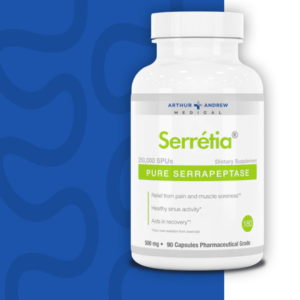
This supplement, which we retail on our website, is more commonly associated with helping with the breakdown of excess mucus and can help with a range of symptoms caused by lung disease.
However, the key enzyme that is included in Serrétia, Serrapeptase, can help to break down the plaque which has built up in our arteries. Serrapeptase has been referred to in the past as the ‘miracle enzyme’ and it’s no wonder given that despite all of its respiratory benefits, it can also help to make our cardiovascular systems healthier.
5. Magnesium Supplements
We’ve already spoken about the effect magnesium has on heart function, helping to activate one of the main pumps our heart uses to move blood around the body.
Keeping our heart in regular rhythm is vital to helping decrease the risk of arrhythmias developing or in more extreme cases heart attacks. By using magnesium supplements to keep our heart pumping blood effectively, we can help minimise the risk of irregular heartbeats developing.
You can compare prices for different magnesium supplements on Google Shopping here.
6. Vitamin D Supplements
Another one of the supplements we spoke about earlier in this article is vitamin D. People who become deficient in vitamin D are much more likely to develop heart disease or suffer from conditions like angina.
By taking vitamin D supplements, you can help protect your body from vitamin d deficiency and in turn ensure that your risk of heart disease decreases significantly.
You can compare prices for different Vitamin D supplements on Google Shopping here.
7. Omega-3 Fatty Acids
Omega-3, commonly found in oily fish such as sardines and mackerel, has been found to offer real benefits in lowering your blood pressure and reducing your risk of heart disease. Omega-3 has the properties to help break down lipids in the blood which are some of the fats that can lead to a buildup of plaque in the blood vessels.
By checking your Omega-3 levels with a blood test and then supplementing additional Omega-3 when needed to keep levels in the body at around 1 gram, you can seriously decrease your risk of heart disease.
You can compare prices for different Omega-3 supplements on Google Shopping here.
8. Inositol Supplements
Inositol is a natural carbohydrate that is present in our bodies, and is primarily responsible for protecting our bodies from insulin resistance. However, some studies have found that people who took Inositol supplements were able to lower their cholesterol levels and their blood pressure.
Inositol supplements can therefore help decrease your risk of heart disease as well as help you manage existing heart conditions like stable and unstable angina. The recommended dose of Inositol supplements for adults wanting to improve cardiovascular health is around 4 grams per day.
You can compare prices for different Inositol supplements on Google Shopping here.
9. Coenzyme CoQ10
Just as Inositol is more commonly associated with insulin resistance than heart health, CoQ10 is normally correlated with improving bone and joint health. However, there has been research which has found those people who have higher levels of Coenzyme CoQ10 – saw a decrease in blood pressure.
You can purchase Coenzyme CoQ10 based supplements to increase your levels of this enzyme in your body, or you can increase your intake of foods that contain this enzyme such as; broccoli and cauliflower.
You can compare the prices for different Coenzyme CoQ10 supplements on Google Shopping here.
10. Folic Acid
Folic Acid contains the natural B vitamin Folate, which can help to keep arteries healthy and improve cardiovascular health. This is because folate, like Vitamin K2’s menaquinones, can help break down harmful buildups on artery walls.
In the case of Folate, it is homocysteine that the vitamin breaks down rather than calcium – nevertheless supplementing additional Folic Acids into our bodies can massively protect our cardiovascular system from being put under unnecessary pressure.
You can compare the prices for different Folic Acid based supplements on Google Shopping here.
Other Life Factors We Can Change To Help Our Hearts

As we discussed at the beginning of this article, whilst supplements and enzymes can work to great effect on protecting our hearts, we still need to care for our bodies in other ways too!
There is no supplement that can fix the damage that things like smoking or a poor diet can do to our cardiovascular system. So here are some other factors that you should address when it comes to caring for the health of your heart.
Quit Smoking If You Smoke
Smoking is one of the leading causes of cardiovascular disease developing in adults. Even those who smoke socially or have less than 5 cigarettes per day are still putting themselves at greater risk of heart disease, strokes and heart attacks than non-smokers.
We have spoken a lot in this article about how the buildup of plaque, calcium and homocysteine causes arteries to become thinner and the heart to be put under more strain. Well, smoking facilitates this to happen at a much faster rate and this is why it is one of the leading causes of heart disease. To care for your heart and protect your health, quit smoking now!
Ensure That You Have A Balanced & Healthy Diet
Our diet is one of the ways that we can protect our bodies from a multitude of different problems. Cardiovascular health is no exception to this rule. By ensuring we are not taking in too much fatty food, salt, calcium and sugars we can prevent our hearts from having to deal with thinner arteries and poor circulation.
You should aim to balance our diet with a good amount of fruit, vegetables, protein, carbohydrates and foods that are high in Omega-3 to keep our cardiovascular system as best protected as possible for heart diseases or cardiovascular events.
Stay Active With Regular Exercise
Whilst this can be more difficult to do as we age, or for those who are trying to manage existing heart conditions like angina – keeping active is a great way to help reduce the risk of heart disease.
By keeping active we help our bodies burn off fats that otherwise could end up building on our artery walls and restricting blood flow. Whether it’s a walk, a run or any one of a number of different sports you can partake in, being proactive in staying active is one of the best things you can do for your heart!